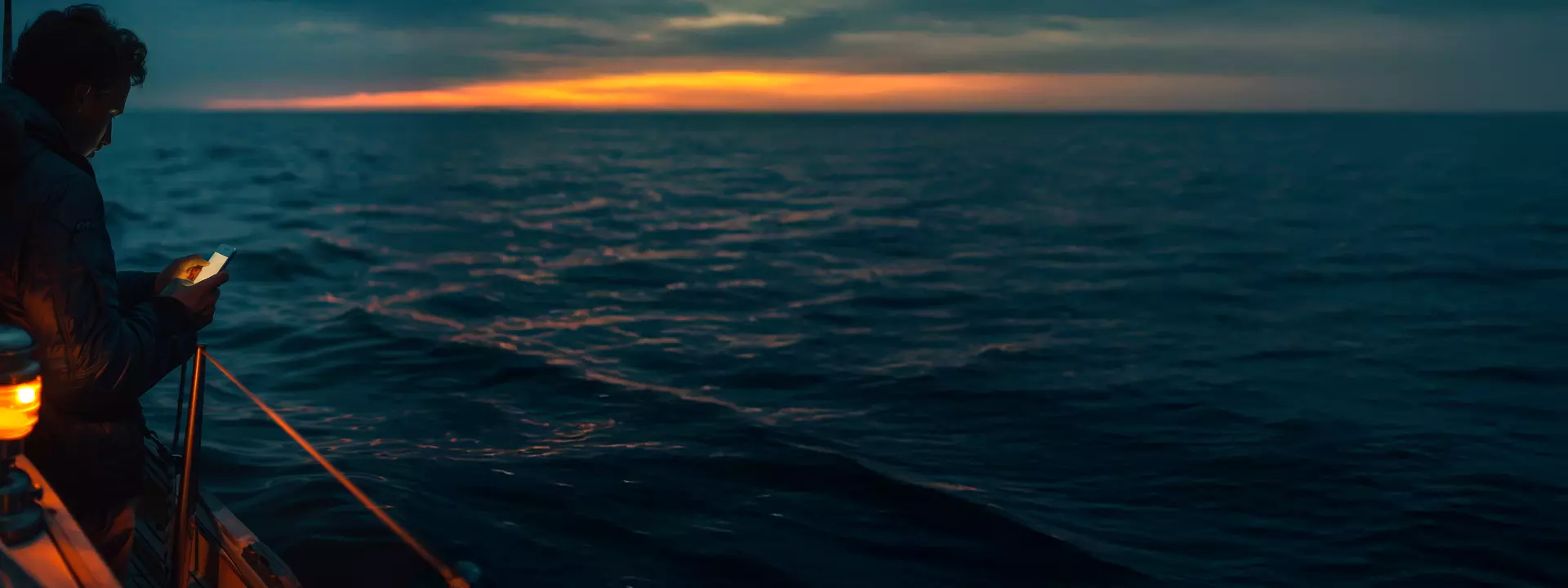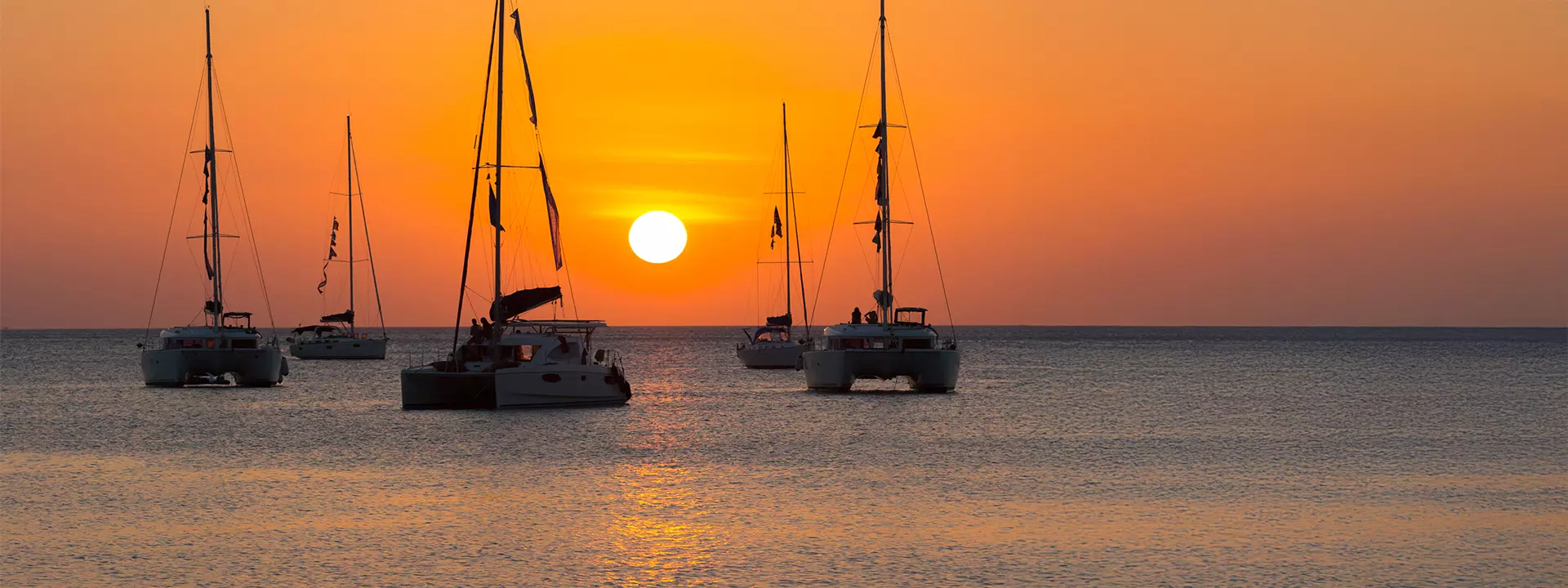
Spending the night aboard a boat is one of the most fascinating experiences that life at sea can offer. When the sun goes down and the wind becomes lighter, everything around you changes: the sea transforms into a dark, silent mirror, sounds are muffled, and the stars seem closer than ever. Falling asleep lulled by the movement of the water is a unique sensation, difficult to explain to those who have never tried it.
But sleeping on a boat is not just poetry: it is also a necessity for those on a multi-day cruise, exploring bays, archipelagos, or stretches of coast far from ports. Those traveling on a boat for the first time may have doubts about where it is best to spend the night: at anchor, in port, or even on the open sea? Here is some useful advice for choosing the right spot and enjoying quiet and safe nights aboard.
Choosing the perfect anchorage: the charm of sleeping at anchor
One of the most beautiful ways to spend the night on a boat is to stay at anchor, meaning anchored in a sheltered bay. It is the preferred choice for those who love freedom and direct contact with nature: you fall asleep listening only to the sound of the waves and wake up to breathtaking scenery.
To find the ideal spot, it is important to study nautical charts and pilot books in advance, which indicate depths, currents, prevailing winds, and recommended anchoring areas. The safest bays are those protected by rocks or headlands, with calm waters and little nocturnal traffic. Arriving before sunset is fundamental: daylight allows you to recognize obstacles like submerged rocks or sandbanks that might escape the radar.
Another aspect to consider is the seabed. Sand and mud offer excellent anchor holding, while rocky or grass-covered seabeds can be more insidious. And don't forget to check the "scope" (the length of the chain deployed in relation to the depth): an adequate measure guarantees stability and peaceful sleep even in case of wind.
Sleeping in port: comfort and convenience, but less tranquility
Those who prefer a more comfortable experience can choose to sleep in a marina. This solution offers practical advantages: electricity, showers, restaurants, and the possibility of easily going ashore. It is also the easiest way for beginners or those who want to spend a more relaxed night after a day of sailing.
However, not all ports are the same. Some have specific rules for overnight stays aboard or limits on duration. It is therefore always best to inquire in advance and book, especially during the summer months.
To rest well, choose a dock away from the traffic of other boats and bring earplugs, as the nocturnal noises of floating pontoons or moving vessels can be annoying. Also, pay attention to areas with swimming or fishing restrictions: in ports with shore power, these activities may be prohibited for safety reasons.
Sleeping offshore: the adventure of true sailors
Those sailing for long stretches on the open sea experience a completely different kind of adventure. When the water is too deep to drop anchor, the boat remains in motion and rest must be organized with watch shifts.
Generally, 3 or 4-hour watch periods alternate, ensuring that someone is always at the helm or checking the route while the others sleep. The first nights can be challenging, but the crew soon finds its natural rhythm.
The movement on the open sea is more intense and can make sleep light. To avoid being thrown out of the bunk, many skippers install a lee cloth, a simple precaution that improves comfort aboard. Those suffering from seasickness should plan preventive remedies, such as scopolamine patches or anti-nausea wristbands.
5 tips for sleeping well on a boat
- 1. Light and safety: bring an LED headlamp and spare batteries to move around on deck safely.
- 2. Warmth and comfort: even in summer, nights at sea can be cool; a lightweight sleeping bag or blanket is essential.
- 3. Shared silence: on a cruise, you live in close quarters, so it is good practice to establish an evening "curfew" to allow everyone to rest.
- 4. Eye mask and earplugs: useful against lights and noise, especially in port.
- 5. Insect defense: in warm climates, a mosquito net and repellent spray are great allies for peaceful sleep.
An experience to try at least once
Sleeping on a boat means discovering a different way of experiencing the night: far from city lights, immersed in a silence that speaks of the sea and freedom. Whether you choose the tranquility of an isolated anchorage, the comfort of an equipped port, or the adventure of the open sea, every night spent aboard will be an indelible memory.
And if you haven't yet experienced the thrill of falling asleep under the stars, perhaps now is the right time to choose an NSS yachting holiday and experience your first night at sea.
Need more info? Send us an email at: info@nsscharter.com
For any information send us a message